





Conservation Engineering: a collection of casework, Volume 2

Conservation Engineering: a collection of casework, Volume 2 P J Stow, Short Run Press, 2021, 608 pages, 32 cases, 450 photographs, more than 200 diagrams.
This second volume of a proposed three-volume series treats the reader to a further selection of the author Patrick Stow’s casework, spanning his 25 years as a conservation engineer. The projects here comprise mainly agricultural and smaller residential buildings in southwest England, many of them timber framed, with the distinction that they are mostly in the care of the National Trust. Some grander buildings are included, where the case focuses on a particular issue, such as at Montacute House, where visiting school parties marching in step along the Long Gallery had contributed to cracking in ceilings below, through the effects of resonance.
In this volume we find the same colour coded sections and pictogram index, cross referenced to both volumes and signposting the reader to cases involving elements of building structure; roofs, walls and floors are followed by chimneys and foundations. As Stow says, every problem is different, but the cases show what has been done before and may guide the approach to a similar problem.
Content is largely pre-digital and all the better for it. What sets this series apart is cases comprising real projects, hand drawn diagrams and sketches, photographs from the time and extracts from the project files, overlain with the author’s commentary, which reveals the evolution of thought. Stow’s work is characterised by simple, bespoke solutions but the reader is left in no doubt as to the amount of thought and understanding needed to achieve these. Lateral thinking results in logical economic repairs, sufficient to allow the original structure to continue to perform its role. Confidence is essential in conservation engineering to avoid heavy handedness. A helping hand is sometimes all that is necessary and many would learn from this approach.
Diagnosis in each study is comprehensive, demonstrating full understanding of the issues at play. A spreading roof and leaning wall at a 14th-century, open plan hall seemed alarming but are dealt with calmly, first by temporary strapping and a monitoring exercise, followed by a delicate repair scheme, justified by the results of further monitoring over a longer period. There is a section on temporary propping, often an important element in a repair scheme, described as ‘creation of a breathing space, likened to a well-earned cup of coffee’.
Stow’s sense of humour makes a technical tome a lighter read than it might have been and the format makes it easy to dip in and out of. The appendix is filled with useful information, including a section on crack monitoring. We learn about the characteristics of cracks in old buildings, which types of cracks are more serious and how their development can be assessed.
The author’s ambition is to pass on to the next generation some of what he has learnt over the years. This is done in a friendly and informative way, without being prescriptive and all the while encouraging the reader to keep an open mind. This volume can be enjoyed as a standalone work or if you already have the first it expands the projects available for reference. While a thought provoking read for any conservation practitioner, for an engineer looking to specialise in the field it should guide and inspire.
See also: Conservation Engineering: a collection of casework, Volume 1.
This article originally appeared as ‘Lateral thinking’ in the Institute of Historic Building Conservation’s (IHBC’s) Context 177, published in September 2023. It was written by Simon Malam, a conservation accredited architect at Donald Insall Associates.
--Institute of Historic Building Conservation
Related articles on Designing Buildings
IHBC NewsBlog
IHBC sponsors Gardens Trust event 23-4 Sept 2026
.jpeg)
'Learning from the Past, Shaping the Future’ takes place in Milton Keynes
Renovations to Frank Lloyd Wright's Fallingwater complete
.jpg)
World Heritage Preserved project opens house for tours again
Shakespeare Birthplace Trust places Hall's Croft on HAR Register
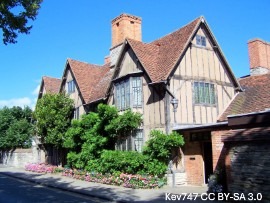
Stratford-upon-Avon home of Shakespeare's daughter is 'At Risk'
Lady Grange’s House repaired on St Kilda
.jpg)
National Trust for Scotland repairs stone cleit with link to famous island resident
Griff Rhys Jones on BBC Radio 4 Today programme
,_Green_Lane,_Derby.jpg)
The Victorian Society’s President unveiled its latest Top Ten Endangered Buildings 2026.
Need a MATE? Book your place now.

IHBC offers free webinars on applying for IHBC accreditation (Full & Associate).
UK Stained Glass Repository finds windows new homes
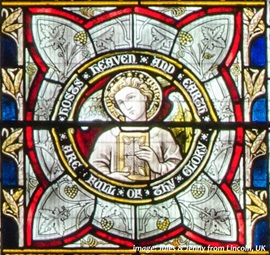
How are stained glass windows are rescued, stored and repurposed?
APPGEBE report sets high aims for quality
'Government must not sacrifice quality in drive to build 1.5m homes'
New measures protect Historic Shipwrecks from heritage crime

Underwater cultural heritage benefits from new HE guidance
How could the City of London skyline look in 6 years' time?

Visualisation shows approved planning applications as completed buildings
National Trust for Scotland calls for VAT cuts
Heritage neglect is encouraged by current policies
IHBC's 'Context' Issue 186 features Industrial Heritage

IHBC's members' journal reports on the challenges of conserving infrastructure
Book now for IHBC Annual School 2026

IHBC Annual School is taking place 18-20 June 2026 in Newcastle
RICHeS Research Infrastructure offers ‘Full Access Fund Call’

RICHeS offers a ‘Help’ webinar on 11 March
Latest IHBC Issue of Context features Roofing
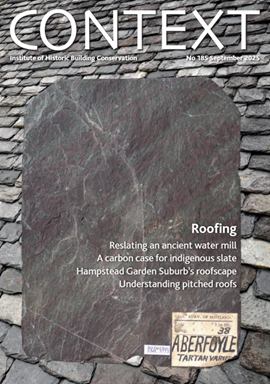
Articles range from slate to pitched roofs, and carbon impact to solar generation to roofscapes
Three reasons not to demolish Edinburgh’s Argyle House

Should 'Edinburgh's ugliest building' be saved?
IHBC’s 2025 Parliamentary Briefing...from Crafts in Crisis to Rubbish Retrofit
IHBC launches research-led ‘5 Commitments to Help Heritage Skills in Conservation’
How RDSAP 10.2 impacts EPC assessments in traditional buildings

Energy performance certificates (EPCs) tell us how energy efficient our buildings are, but the way these certificates are generated has changed.